


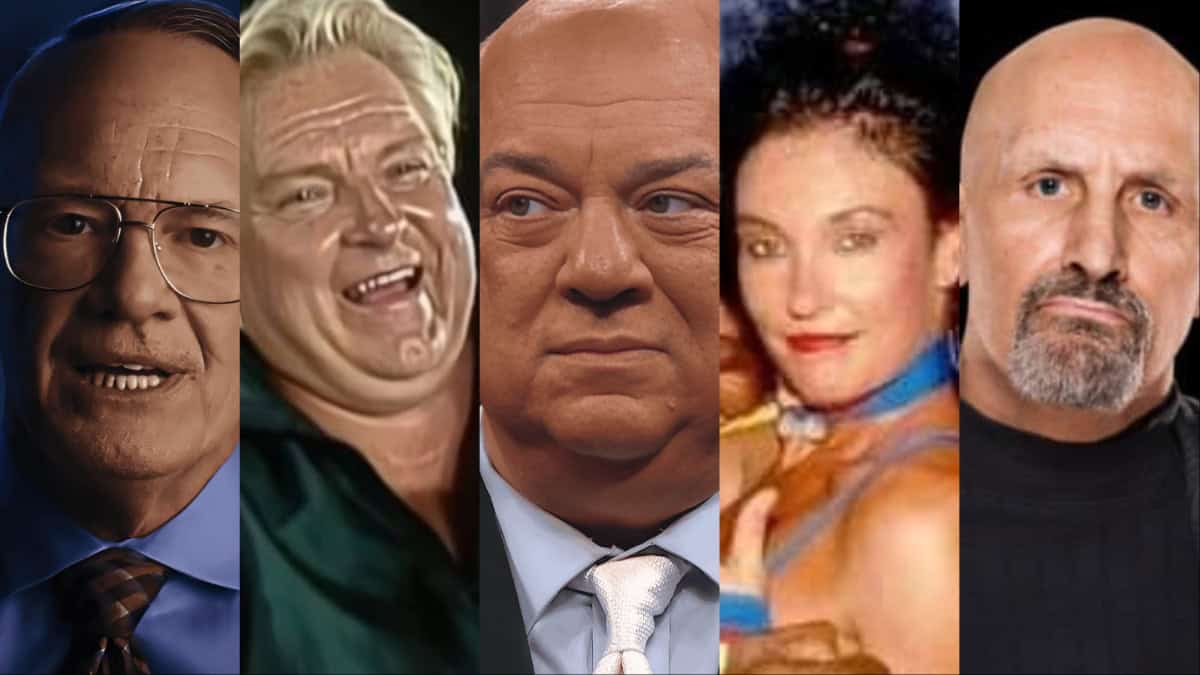
The professional wrestling manager is a character that has been essential to the industry’s success, functioning as much more than a ringside ally. From the early 20th century, these figures have served as mouthpieces, strategists, and instigators, shaping the careers of legendary competitors and driving major storylines. The manager’s original purpose was to advocate for wrestlers who possessed the in-ring skill but lacked the charisma or verbal ability to connect with the audience, a function that proved invaluable, especially during the rise of television in the 1950s. Their flamboyant attire, incessant shouting, and ability to infuriate fans made them vital components in generating the “heat,” or intense negative crowd reaction, necessary to establish their clients as villains.
The role was refined during the territorial era, where managers like Lou Albano in the northeast or Bobby “The Brain” Heenan in the American Wrestling Association (AWA) became regional institutions. These figures carried instant recognition and provided a crucial shortcut for promoters: any wrestler associated with a notorious heel manager would immediately be established as a primary villain, simplifying the storytelling process. Albano, known for his rubber bands and wild speech, became arguably the most successful manager, boasting a total of 20 champions, including 17 Tag Team Champions, during his run. His ability to draw both intense hatred and, later, mainstream appeal through his association with pop culture figures like Cyndi Lauper during the 1980s Rock ‘n’ Wrestling Connection demonstrated the manager’s tremendous drawing power.
Evolving Roles: The Valet and the Agent
As the industry shifted toward a national, consolidated model, the scope of the ringside manager broadened and sometimes specialized. The emergence of the valet introduced a female presence that added glamour and a different kind of drama to the wrestler’s presentation. Figures like Miss Elizabeth—whose passive, elegant presence created a powerful dramatic contrast to the manic intensity of her client, Randy Savage—and the aggressive Sensational Sherri amplified their wrestlers’ personas without necessarily taking the role of the primary talker. Meanwhile, some managers, such as Paul Ellering (of The Road Warriors), were known to handle legitimate business and travel arrangements for their clients behind the scenes, effectively blurring the line between storyline manager and a true talent agent.
The 1980s and 1990s are often considered the zenith of the manager’s influence, with stables like The Heenan Family cementing their place in wrestling lore. Heenan, frequently cited as the greatest of all time, was unparalleled in his ability to draw the scorn of the audience. His sharp, witty commentary and talent for deflection made his wrestlers, no matter how physically imposing, appear cowardly by association. Heenan once said of his clientele, “A friend in need is a pest.” This type of quote highlighted the self-serving and opportunistic nature of the heel manager, making his eventual face-turn, or the face-turn of one of his clients, a major storyline moment.
The Modern Advocate and the Decline of the Traditional Manager
As the industry moved into the “Attitude Era” and beyond, the traditional manager began to recede. With the increasing expectation that nearly every top performer be proficient on the microphone, the need for a mouthpiece to speak for the “strong silent type” diminished. Superstars like “Stone Cold” Steve Austin and The Rock excelled on the microphone, rendering the accompanying orator largely obsolete. This shift forced the remaining managers to elevate their own characters to an elite level.
The individual who perhaps best reinvented the position for the modern era is Paul Heyman. Operating first as Paul E. Dangerously in WCW and later as the creative and on-screen force behind ECW, Heyman evolved the role from a simple ringside pest to an “Advocate” and “Special Counsel,” emphasizing a more business-like, strategic relationship with his clients, most notably Brock Lesnar and Roman Reigns. Heyman often states that his role is “different than Freddie Blassie, the Grand Wizard, and Lou Albano’s, and Bobby Heenan’s, Jimmy Hart’s and J.J. Dillon’s as well. I legitimately consider myself Brock Lesnar’s advocate.” This focus on legitimacy and high-level strategy reflects the current state of the industry, where the manager’s involvement must be perceived as integral to the storyline, not merely a distraction.
Despite the reduction in the sheer number of managers, the function they serve remains a powerful tool in storytelling. They continue to be the “X-factor,” interfering at crucial moments to secure a win or, conversely, inadvertently causing a loss that drives an entire program. Whether they are classic heel manipulators like Jim Cornette, the macabre undertaker of the role Paul Bearer, or the modern “Special Counsel,” managers are the characters who hold up the mirror to the wrestler, amplifying their strengths, masking their weaknesses, and providing the pivotal dramatic catalyst that professional wrestling narratives require to sustain fan engagement. The manager is, and will likely always be, one of the most effective ways to generate organic fan reaction, making the role a genuinely evergreen part of the business.

