


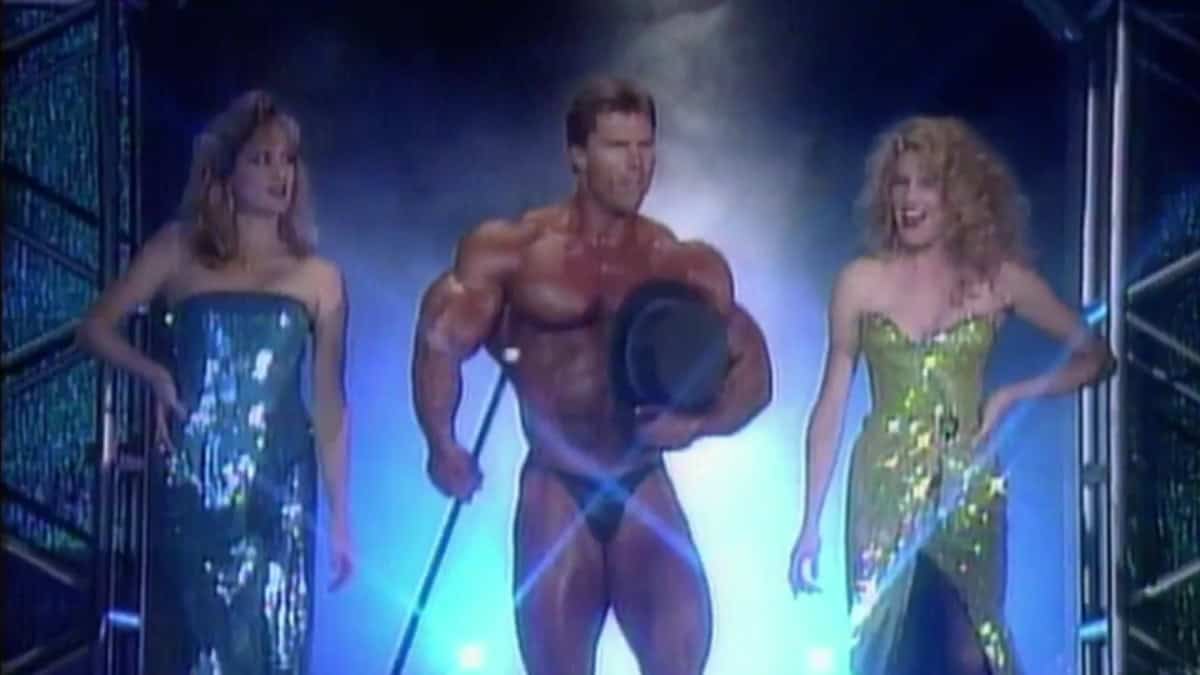
In the vast portfolio of Vince McMahon’s business ventures, the World Bodybuilding Federation (WBF) stands as a monument to hubris. Launched in 1990 and dissolved unceremoniously in 1992, the WBF was an attempt to apply the “sports entertainment” model to the stoic, subjective world of competitive bodybuilding. It was a direct challenge to the Ben and Joe Weider monopoly, the International Federation of BodyBuilders (IFBB), which controlled the industry’s most prestigious title, Mr. Olympia.
The Genesis: Looking Beyond the Ring
By 1990, the World Wrestling Federation (WWF) was a global juggernaut. Vince McMahon, having conquered the territorial wrestling system, sought to diversify his Titan Sports empire. A lifelong fitness enthusiast with a physique that rivaled his own performers, McMahon looked toward bodybuilding.
He viewed the IFBB as antiquated. Bodybuilding competitions were dry, quiet affairs held in auditoriums where polite applause greeted men posing in silence. McMahon believed he could inject the “razzle-dazzle” of professional wrestling into the sport. He envisioned bodybuilders with characters, pyrotechnics, scripted feuds, and high production values.
To legitimize this vision, McMahon hired Tom Platz. Known as “The Golden Eagle,” Platz was a bodybuilding legend famous for his leg development and his charisma. However, Platz had fallen out of favor with the Weider establishment. McMahon made him the figurehead of the new organization, signaling to the industry that he was serious about competing.
The opening salvo was fired at the 1990 Mr. Olympia contest. McMahon’s team set up a booth at the expo, handing out flyers announcing the formation of the WBF. They promised higher prize money and, crucially, guaranteed contracts—something the IFBB did not offer.
The Raid: Assembling the Bodystars
To build a federation, McMahon needed bodies. He aggressively recruited top-tier talent from the IFBB ranks. He successfully signed 13 competitors, dubbing them the “WBF Bodystars.”
The roster included notable names such as Gary Strydom, Mike Christian, Berry DeMey, and Aaron Baker. While he failed to secure the reigning Mr. Olympia, Lee Haney, or the sport’s biggest icon, Arnold Schwarzenegger, McMahon secured a credible lineup of top-ten contenders.
The contracts were lucrative. While an IFBB pro might struggle to make a living between contests, WBF Bodystars were reportedly signed to deals ranging from $100,000 to $400,000 annually. In exchange, they had to sign exclusivity agreements and participate in the wrestling-style vignettes McMahon’s production team created.
This approach alienated the bodybuilding purists immediately. Men like Mike Quinn were repackaged with nicknames and gimmicks. The focus shifted from anatomical perfection to stage presence and “personality,” a metric that traditional bodybuilding judges found abhorrent.
The ICOPRO Strategy
While the WBF was the spectacle, the engine driving the venture was ICOPRO (Integrated Conditioning Program). McMahon wasn’t just selling tickets to a posing show; he was attempting to build a lifestyle brand.
ICOPRO was a line of nutritional supplements, protein powders, and clothing. The marketing campaign was inescapable for wrestling fans in the early 90s. The slogan “You’ve Gotta Want It!” was plastered on banners in every arena, featured in every Raw commercial break, and worn by WWF superstars.
The WBF served as a living infomercial for ICOPRO. The Bodystars were the proof of concept. The logic was simple: buy the supplements, and you can look like Gary Strydom. However, the market was already saturated by Weider’s products, and the blatant commercialization of the federation made it difficult for the WBF to gain credibility as a legitimate sporting organization.
The Magazine War
The war between McMahon and Weider was fought on the newsstands. Joe Weider controlled Muscle & Fitness and Flex, the bibles of the industry. He used these publications to blacklist WBF athletes, erasing them from history and denying them coverage.
In retaliation, McMahon launched Bodybuilding Lifestyles (later WBF Magazine). It was a glossy, high-production publication that featured the Bodystars in lifestyle shoots rather than gym grit.
The editorial tone was aggressive. In one infamous instance, the magazine featured a comic strip that depicted the Weider brothers as “The Cowardly Lion” and other unflattering caricatures. It was a personal, petty conflict that forced athletes to pick a side, often at the peril of their careers.
The 1991 Championship: A Strong Start
The first WBF Championship was held in Atlantic City, New Jersey, in June 1991. The production was unmistakably WWF. Regis Philbin served as the co-host. The stage was elaborate.
The show was a moderate success. The athletes arrived in peak condition. Gary Strydom, the clear favorite and centerpiece of the promotion, won the title. The crowd, a mix of wrestling fans and curious bodybuilding enthusiasts, seemed receptive to the higher energy format.
However, beneath the surface, trouble was brewing. The pay-per-view buyrate was low. The crossover audience McMahon banked on—wrestling fans who would pay to see men pose—did not exist in significant numbers.
The Steroid Scandal: The Turning Point
The demise of the WBF was accelerated by forces outside of bodybuilding. In 1991, Dr. George Zahorian was convicted of illegally distributing anabolic steroids to WWF wrestlers. The federal government began circling Vince McMahon.
The optics of running a bodybuilding federation—a sport intrinsically linked to steroid use—while under federal investigation for steroid distribution were disastrous. McMahon realized that he could not afford a scandal involving the WBF.
In a decision that doomed the federation, McMahon announced that the WBF would become a drug-free organization. He implemented rigorous testing for the 1992 championship.
This decision fundamentally misunderstood the nature of professional bodybuilding. At the elite level, the “freakish” size that fans paid to see was chemically enhanced. By mandating a clean show, McMahon was asking his athletes to do the impossible: maintain their mass without the substances that built it.
The 1992 Disaster
The second WBF Championship, held in Long Beach, California, in June 1992, is remembered as a catastrophe.
The drug testing policy had been enforced. The result was a lineup of Bodystars who looked drastically different from the previous year. They were smaller, “flatter,” and softer. The “freak factor” was gone.
Gary Strydom, who defended his title, managed to retain a significant amount of size, leading to accusations and skepticism regarding the testing protocols. However, other competitors looked like shadows of their former selves. The audience, expecting the comic-book physiques promised in the WBF Magazine, was disappointed.
Adding to the surreal nature of the event was the involvement of Lou Ferrigno. The star of The Incredible Hulk had been courted by McMahon to compete. Ferrigno accepted a massive contract but, crucially, never competed. He appeared at the show merely to be interviewed, leading to a bait-and-switch feeling for the audience.
The show was hosted by wrestling manager Bobby “The Brain” Heenan and comedy writer Lex Luger (not the wrestler), creating an awkward, comedic tone that disrespected the athletes’ preparation. The buyrate plummeted. The live gate was weak. The experiment had failed.
The Collapse
On July 15, 1992, just weeks after the disastrous second championship, Vince McMahon called Bernie Arkimovich, the head of the WBF, and pulled the plug.
“Vince called me and said, ‘It’s over,’ He said the federal government is coming down on us too hard.”
The WBF was dissolved immediately. Bodybuilding Lifestyles ceased publication. The contracts were paid out or settled, leaving the Bodystars in a precarious position.
They were now exiles. They had defected from the IFBB to join the enemy. Joe Weider, having won the war, eventually allowed the athletes back into the IFBB, but they were often penalized in placings for years. Gary Strydom, the face of the WBF, vanished from the competitive scene for over a decade before making a brief comeback.
The Lingering Ghost of ICOPRO
While the WBF died quickly, ICOPRO lingered like a zombie. Because the WWF had produced so much marketing material and signage, the ICOPRO banners remained hanging in arenas for years after the product was discontinued.
Bret “The Hitman” Hart, in his autobiography, noted the absurdity of the situation. He recalled cutting promos in front of ICOPRO banners long after the WBF had folded, simply because the company didn’t want to waste the paid advertising space.
The supplements themselves were eventually liquidated. The slogan “You’ve Gotta Want It” became a punchline among wrestling insiders—a reminder of a time when Vince McMahon thought he could out-muscle the bodybuilding industry.
Historical Significance
The failure of the WBF was Vince McMahon’s first major public defeat as a promoter. It cost Titan Sports millions of dollars and damaged McMahon’s reputation as a Midas-touch entrepreneur.
However, it also foreshadowed future ventures. The WBF was the precursor to the XFL—an attempt to take an established sport (football), add “attitude” and production value, and challenge an established monopoly (the NFL). Both ventures failed for similar reasons: they underestimated the loyalty of the legacy audience and overestimated the crossover appeal of the WWE brand.
Today, the WBF is a footnote in both wrestling and bodybuilding history. It is remembered for its campy vignettes, its terrible timing, and for Gary Strydom’s posing routine. But primarily, it serves as a testament to the fact that while you can script a wrestling match, you cannot script a physique, and you certainly cannot fight a war on two fronts when the federal government is knocking at your door.

