


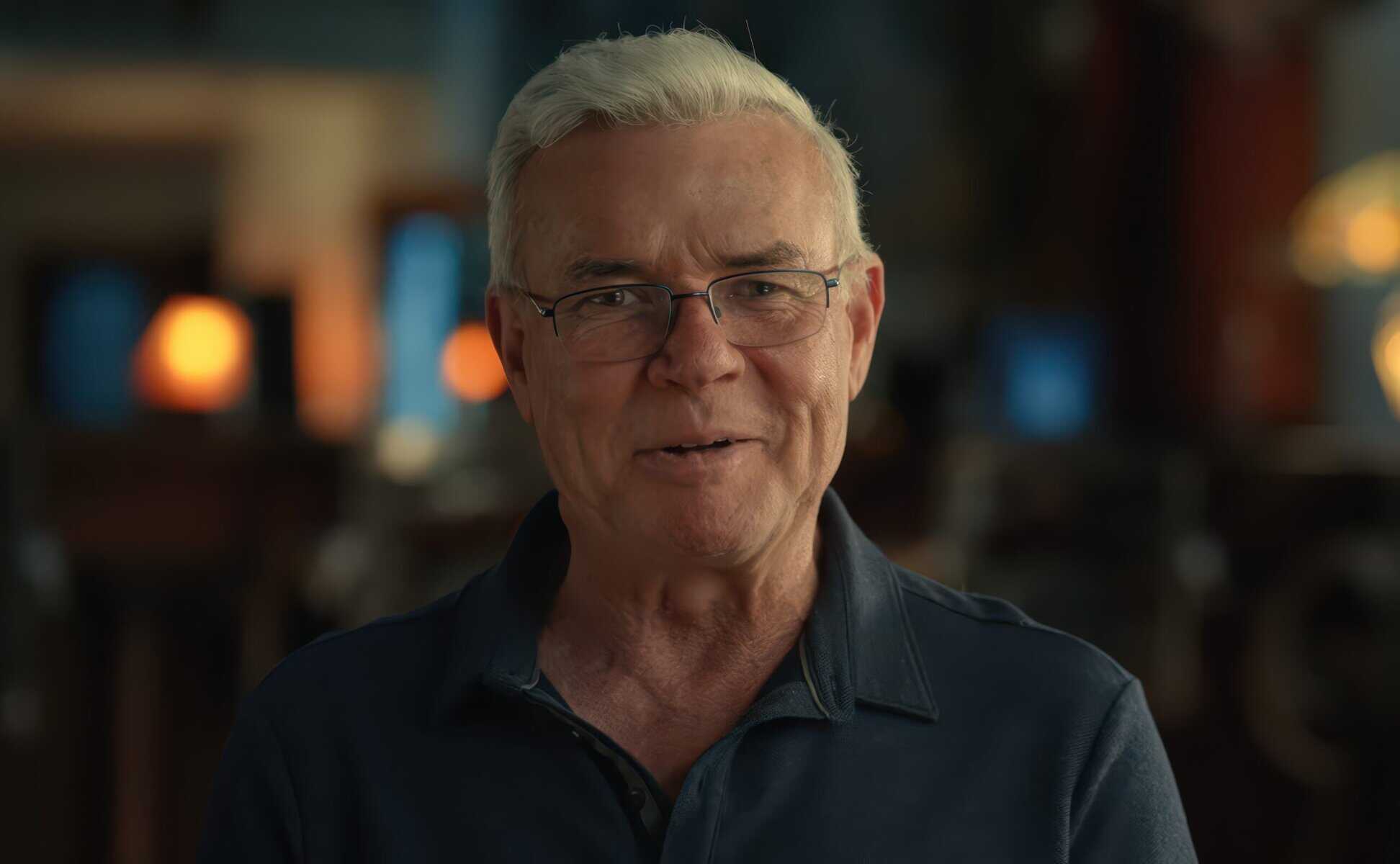
Eric Bischoff thinks WWE is making the correct short-term business decision on ticket prices and taking a risk that will not show up on a balance sheet for another decade and a half.
On the latest episode of 83 Weeks, Bischoff was asked about the argument that raising prices and cutting back on house shows is quietly damaging the business long term. He started by explaining what the old model actually did.
“So wrestling isn’t coming to these markets the way they did back in the 50s, in the 60s, in the 70s, the Jerry Jarretts and the Verne Gagnes, they would draw those people to the arena. That’s the only way they survived, and a lot of them survived really, really well by getting the public, the local people, to come in and see these stars that they’ve watched on TV.”
He described that in-person meeting as the mechanism the entire industry is built on.
“That connection of taking scripted characters that you’ve built an audience for on television, then bringing those scripted characters to a local arena, so a kid and his family, because they all enjoy it, can actually be within 30 or 40 feet watching someone that they watch on TV because that was still a big deal.”
“This very unique connection between the character and the relationship you’ve created in your mind, and now you’re physically there with them. The more you take that opportunity away, the more that you make choices that reduce the ability of the human to connect with the character, the smaller your audience is going to become. That connection is the reason why wrestling works to the level it does today.”
Bischoff was clear that he does not think the company is making a mistake by its own measure.
“I think cutting down on the house shows and indirectly pricing families out of the business because you want to maximize revenue in this short term, absolutely right thing to do. It’s a shareholder move. If you are the CEO, if you’re the chairman of the board, you have a fiduciary responsibility to your shareholders to return a maximum amount of value. Guess what? It is the right decision.”
What he would add is a warning.
“I would also let shareholders know what the risks are. In my opinion, which may not mean, right? But based on the experience I have, the feel that I have, the instinct that I have, and watching and analyzing from afar what’s going on, my biggest risk is that over the next 15 years, you’re going to start seeing the impact of that loss of local contact, loss of house shows, loss of ability to create that very very special connection that created this magnificent monster in the first place. When you pull that plug, disconnect that cord. I don’t know what the future looks like.”
He does not expect the pricing to reverse.
“I don’t see pricing getting cheaper going. I don’t see anything getting cheaper going forward. The idea is that we’re going to roll prices back to pre-pandemic levels in any category of anything you buy, other than probably gas, I think is nonsense. It’s just conversation.”
“So I don’t see the ticket prices going down. I don’t see them re-engaging in the house show business. So now that severed cord that I think is so instrumental to the business is going to be completely pulled if it hasn’t been already, but you’ve got to find a way to bring those kids back, or hold on to them.”
Bischoff framed the whole question as one of growth.
“How many terms have you heard me talk about growth? You’re either growing or you’re dying. Simple math. So if you want to grow the audience for the very reason that you said, it is the future. It’s the foundation. You hook them for life. McDonald’s does the same things, by the way. That’s their marketing strategy. Hook them for life. You have to come up with a plan.”