


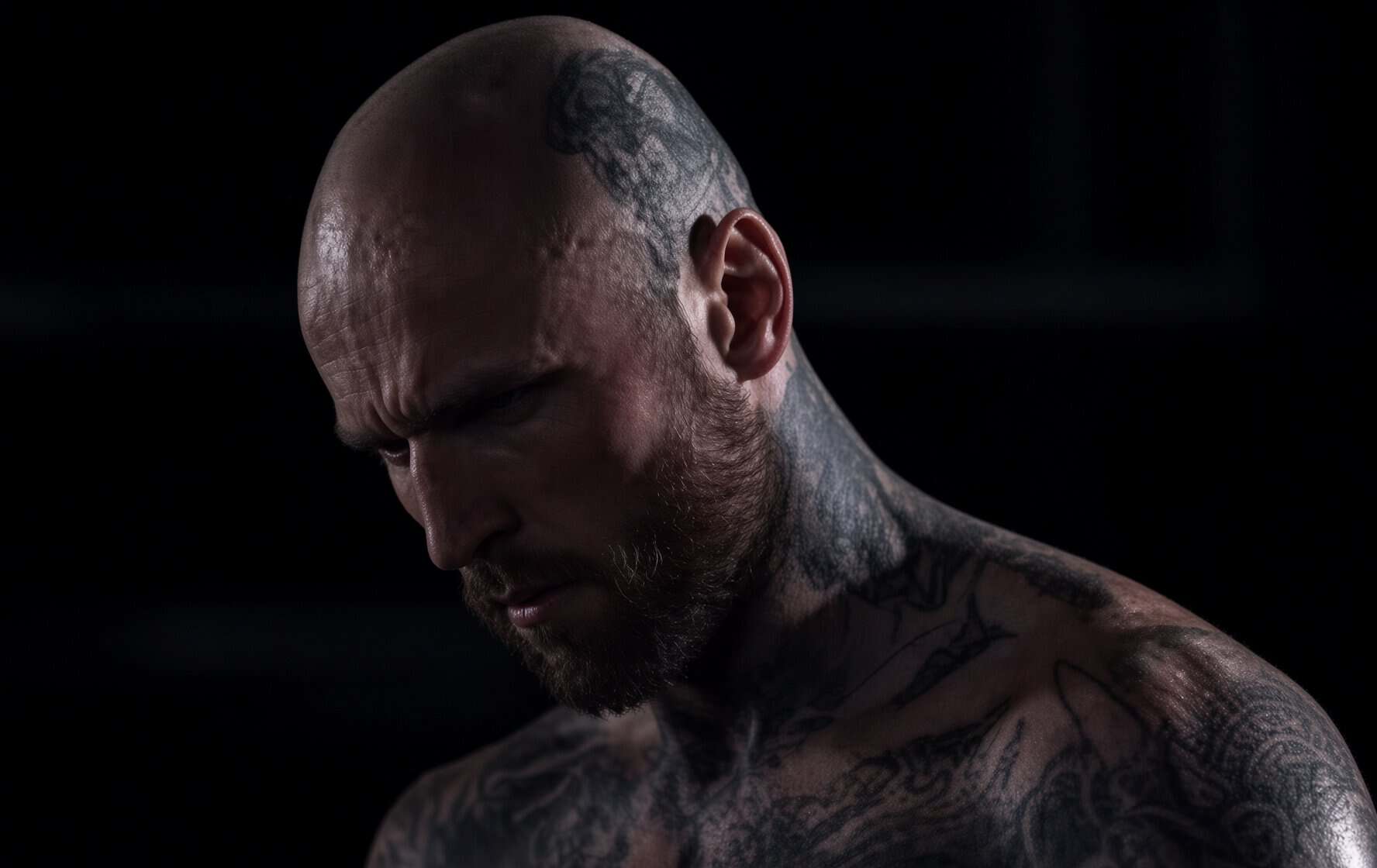
John “Bradshaw” Layfield says released wrestlers should leave quietly, after Malakai Black criticized how WWE handled his second run with the company.
Black, who wrestled as Aleister Black in WWE, was released in April as part of the company’s post-WrestleMania 42 cuts, a year after returning from AEW. Appearing on XELVX AND CHARLIE GIRL on YouTube with his wife, Xelina, and Charlie Girl, who wrestled in WWE as Zelina Vega and Dakota Kai, Black said the release hit harder because of what he was told when he re-signed.
“I can pretend that it didn’t suck, but of course it sucks,” Black said. “It always sucks. And in my case, it sucked harder, because of the mountains of things that were like promised and all the other conversations and then being presented with this f****** dud of a year, despite main events.”
JBL addressed Black’s comments on the September 25 episode of Something To Wrestle with Conrad Thompson, opening with advice he said he received from Kerry Von Erich.
“Kerry Von Erich used to always tell me. He said, ‘I want to come back as a carpenter so I can repair all the bridges that I’ve blown up,’ because Kerry didn’t burn them; he blew them up. But that’s what a lot of these guys are doing,” JBL said. “I don’t know if Aleister is burning this bridge or not, but it certainly is not a way to keep an amicable relationship with guys.”
JBL said his own father gave him a simple rule for leaving a job.
“My father used to always tell me, when it’s time to leave, grab your hat, shake their hand, just walk out. That’s all you need to do, and that’s the advice that I would give these guys, is shake their hand, walk out,” he said.
JBL, an English-language commentator for WWE-owned AAA, said there are too few major employers in wrestling to risk alienating one.
“There’s not that many places to make it in sports entertainment. And if you’ve alienated Tony Khan, I don’t know if he has or not, but if you alienate Triple H and Nick Khan, that’s WWE. I don’t know why you would want to do that. Just leave,” JBL said. “I get you’re mad. Don’t do interviews when you’re mad. Nothing good ever comes of it. All it comes across is that you’re bitter.”
He added that the frustration can be legitimate and still hurt the person expressing it.
“And let me explain this. You may be bitter for a very good reason. You may be justified in your bitterness, but when you express that on the internet through a podcast or whatever you do, it comes across wrong, and just comes across that you have sour grapes,” JBL said. “What people clip out is not what you say most of the time. They’ll clip out something that’s kind of close. It’s all clickbait.”
JBL’s criticism was aimed at how Black handled his exit rather than his ability. Shortly after the release in May, JBL said on the same show that he saw Black as a main event talent who needed to change his character to get back to that level.
Fewer Places to Go
JBL said the economics of the business have changed since his early career. He said wrestlers who walk away from WWE are “not going to go and make a ton of money somewhere else,” and listed Mexico, Europe and Japan as markets that cannot match it.
“The days when, back in the early ’90s, late ’80s, ’70s, when you could leave a territory and burn a bridge as much as you wanted to and go somewhere else, they’d bring you back because they had to. They don’t have to now,” he said.
Black has since returned to the independent scene and won the PROGRESS World Championship from Cara Noir on September 6 in Manchester. JBL is not the only WWE Hall of Famer to respond to Black’s interview this week. Eric Bischoff said on 83 Weeks that he found it hard to believe Black was promised as much as he described, and told Black to take responsibility for his situation.