


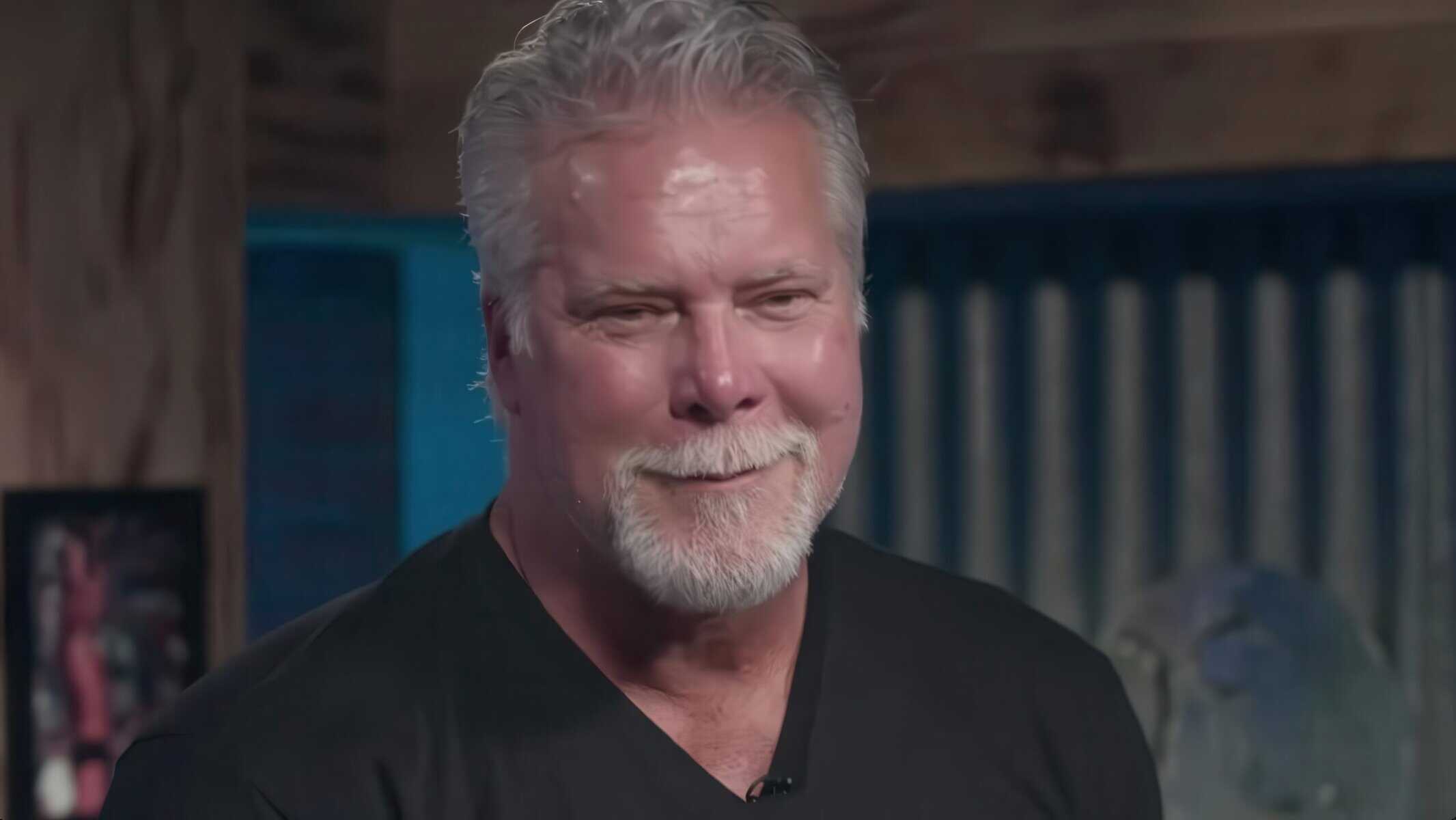
Kevin Nash has responded to The Undertaker calling the Curtain Call a selfish move, saying the Kliq cleared it with Vince McMahon first and that he reads the criticism as envy.
Undertaker was asked about the incident on a recent Q&A edition of his podcast, Six Feet Under. He said it went against everything he believed about the business at the time, that he thought it was selfish and that the four men had put themselves ahead of the business, while adding that he was not at the building, holds no personal grudge and thinks the same moment would barely register today.
The Curtain Call happened on May 19, 1996 at a Madison Square Garden house show. Shawn Michaels beat Nash, then working as Diesel, in a steel cage main event. Scott Hall came out and embraced Michaels, Triple H followed, and Nash joined them. Nash and Hall were leaving for WCW. Triple H, the only one of the four both staying and unprotected, took the punishment.
Speaking on Kliq This with Sean Oliver, Nash first pushed back on the idea that the audience was in a position to be let down by it.
“Yeah, but the curtain call was seen. It wasn’t even during the internet era. No, 96 man. Nobody had cell phones.”
Oliver pointed out that the newsletters existed and that fans were following backstage news. Nash’s answer was that the people who knew were the people who had already bought tickets.
Then he addressed Undertaker directly, using his real name.
“So, you know, even for Mark to say was a selfish move; we went and asked Vince.”
“It wasn’t selfish. It wasn’t to get ourselves over. I didn’t kip up and not sell the super kick. Yeah, but if you match, if you really watch it and watch it for what it’s worth, you know it’s like I take it more as jealousy that you didn’t do it.”
Nash’s point about the finish is borne out by the footage. He lost the cage match before the embrace happened. That the four asked McMahon beforehand is his own account, though it is consistent with what has been said about the incident over the years.
Asked whether the objection was that it became a moment, Nash went further.
“Yeah, it became what the business became.”
He compared the reaction at the time to how new movements in art are received.
“I’m quite sure that when Picasso started his Cubism, like it wasn’t just absolutely just” embraced, he said, agreeing with Oliver’s finish to the sentence.